Pallet Liquidation: Changing Unwanted Products Into Financial Gain
Pallet liquidation provides a viable option for retailers burdened with surplus stock. By converting surplus or returned products into bulk sales, this method not only resolves inventory storage problems but also unlocks additional revenue channels. Entrepreneurial buyers regularly explore these opportunities to acquire high-value items at lower costs. However, the intricacies of obtaining and redistributing such pallets reveal challenges that demand thorough evaluation. What factors should one weigh before venturing into this developing sector?
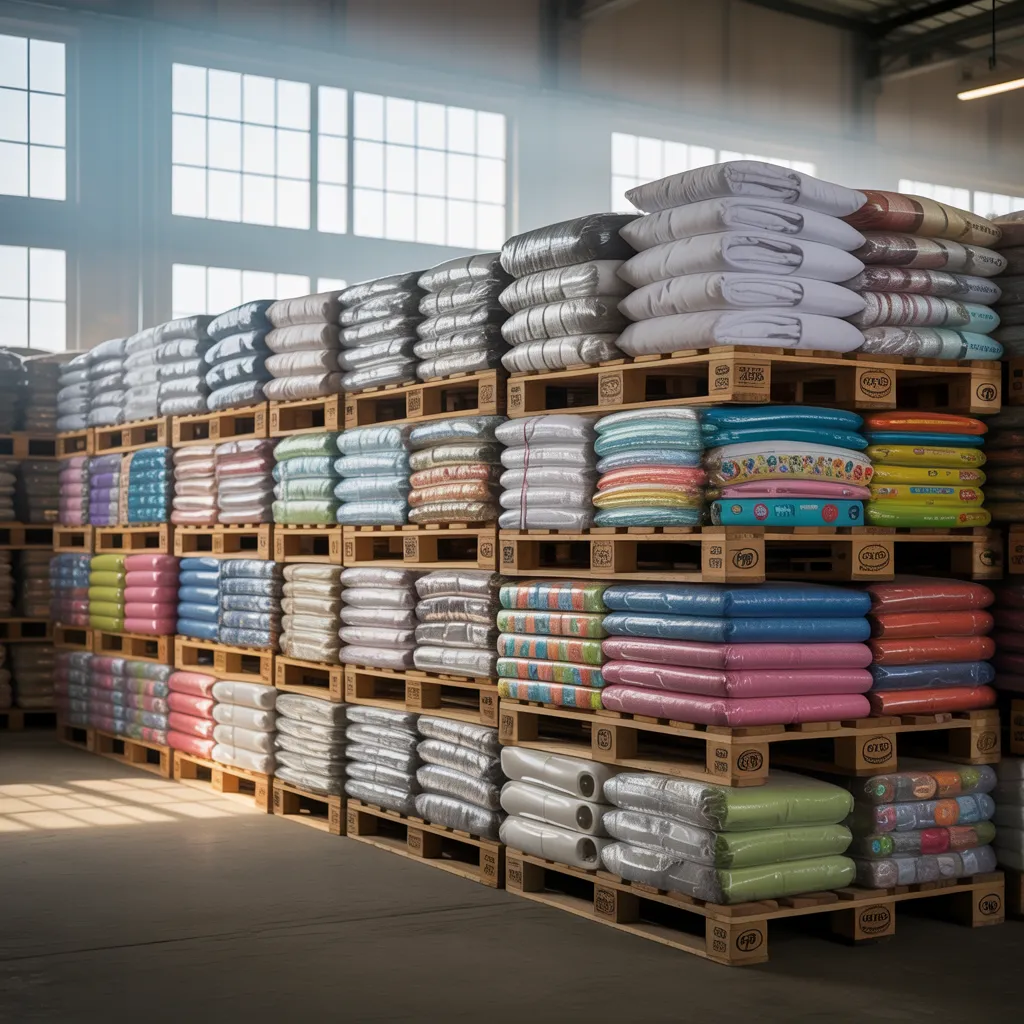
Understanding Pallet Liquidation and How It Works
Pallet liquidation describes the practice of selling bulk quantities of excess, returned, or leftover products, typically organized on pallets for easy transport. This method allows wholesalers and retailers to regain some financial return from inventory that might otherwise go to waste. Companies often acquire these pallets from a range of sources, such as manufacturers and retailers, who wish to clear out their excess stock.
After acquisition, the pallets are offered directly to buyers or listed through digital auction channels. These pallets are frequently purchased by small business owners and resellers who aim to sell the contents individually for financial gain. The items within each pallet differ considerably, covering an extensive selection from electronic devices to home essentials. The appeal of pallet liquidation lies in the potential for substantial savings and the opportunity to discover valuable items within a mixed load. Altogether, it provides a viable strategy for addressing overstock and surplus inventory challenges.
Popular Product Categories in Pallet Liquidation Sales
Liquidation pallets often contain a wide variety of product categories, drawing in numerous buyers in search of bargains. Typically available items consist of electronics, home goods, apparel, and beauty products. Electronic items, including smartphones and laptops, are particularly sought after, as they typically hold significant resale value. Home products, including kitchen appliances and furniture, draw interest from diverse shoppers looking for budget-friendly home improvement solutions. Apparel selections can extend from seasonal outfits to activewear, capturing the interest of secondhand store owners and resellers. Moreover, beauty merchandise, including skincare and cosmetics, attract both individual consumers and retailers seeking to benefit from well-known brand merchandise. Seasonal items are also commonly found in liquidation pallets, allowing buyers to stock up ahead of holidays. This diverse selection of categories confirms that liquidation pallets are capable of satisfying the varied demands of purchasers, generating profit potential across various market segments.
Benefits of Pallet Liquidation for Retailers
A large number of retailers significantly benefit from purchasing liquidation pallets, as they provide an effective means to stock their shelves with a broad selection of products at reduced prices. This approach not only enhances inventory variety but also helps retailers cater to different customer preferences without significant financial strain. The affordability of liquidation pallets helps retailers maintain competitive price points, potentially increasing sales and customer loyalty.
Furthermore, purchasing wholesale liquidation pallets can lead to higher returns, as a variety of items are purchased at a portion of their retail price. Retailers can also capitalize on seasonal demands by rapidly acquiring trendy or seasonal products, thus responding to consumer demands. In addition, the processing time for obtaining and distributing these merchandise is generally quicker than typical retail sourcing strategies, allowing businesses to rapidly adjust to shifting market dynamics. Ultimately, liquidation pallet sourcing serves as a practical solution for merchants aiming to improve their business performance and returns.
Tips for Sourcing Quality Pallets
Acquiring quality pallets calls for thorough research and careful planning. Potential buyers should begin by locating reliable wholesale distributors and liquidation companies with a proven track record. Online marketplaces and local auctions can prove to be valuable sources, presenting a array of pallets at different price points.
A further important consideration includes assessing the condition of the pallets. Purchasers ought to check for indicators of wear and damage, ensuring that the goods is intact and sellable. Building relationships with suppliers can result in improved pricing and availability of premium stock, strengthening procurement possibilities.
Keeping up with trending products and market shifts can guide buyers in selecting pallets that will produce considerable earnings after reselling. Connecting with fellow resellers can deliver useful tips and advice, further aiding the sourcing process. By merging these methods, resellers can efficiently acquire premium pallets that support profitable liquidation endeavors.
Key Strategies for Reselling Liquidated Pallets
Reselling liquidated pallets requires thoughtful strategy and market awareness to increase earnings. Effective sellers kick off by carrying out comprehensive research into industry trends and customer demand. Identifying popular product categories, such as electronics, home goods, or seasonal items, enables more focused buying decisions.
Additionally, vendors should examine the condition of merchandise within the shipments. A thorough inventory helps in determining the possible resale worth and helps in creating market-competitive prices. Leveraging online marketplaces and social media channels for advertising enhances exposure, attracting a wider audience.
Connecting with fellow resellers can prove advantageous, fostering collaborations that lead to shared insights and resources. Moreover, vendors ought to explore providing package deals or price reductions to draw in customers and boost sales velocity. By implementing these strategies, sellers are able to efficiently turn clearance inventory into rewarding prospects, guaranteeing a thriving commercial framework within the constantly shifting market landscape.
Navigating the Legal and Ethical Dimensions of Pallet Liquidation
Within the field of pallet liquidation, grasping legal compliance standards is critical for resellers to prevent potential liabilities. Additionally, ethical procurement practices hold considerable importance in preserving integrity throughout the industry. These considerations not only guide business practices but also determine consumer trust and overall brand reputation.
Legal Conformance Requirements
Legal compliance in pallet liquidation is essential for ensuring ethical practices and maintaining business integrity. Organizations involved in this field must follow numerous regulations, encompassing consumer protection laws, environmental requirements, and tax duties. Compliance with these laws helps mitigate risks associated with the sale of potentially hazardous or copyright goods. Furthermore, companies must stay informed about local and federal rules overseeing the resale of liquidated goods, maintaining accurate documentation and reporting. Neglecting to comply can bring about significant legal ramifications, including financial fines or forfeiture of business licenses. Through emphasizing legal adherence, pallet liquidation companies can build confidence among consumers and suppliers, thereby strengthening their standing and sustained success in the market.
Responsible Sourcing Standards
Navigating the intricacies of pallet liquidation necessitates a commitment to ethical sourcing practices combined with legal compliance. Organizations engaged in this sector must champion transparency and integrity, making certain that the products they handle are procured with care. This involves validating the provenance of goods, assessing the treatment of workers engaged in production, and avoiding products associated with environmental harm or exploitative labor practices. By adopting ethical sourcing standards, businesses not only mitigate legal risks but also strengthen their brand and build consumer confidence. Furthermore, ethical practices can lead to a more sustainable operation, resonating with socially conscious consumers. Overall, the incorporation of ethical considerations into pallet liquidation is critical to cultivating a ethical and thriving business model.
Future Trends in the Pallet Liquidation Market
As the pallet liquidation market evolves, several emerging trends are shaping its future landscape. Digital platforms are rising in prominence, permitting sellers and buyers to interact more seamlessly. These platforms commonly leverage cutting-edge algorithms to pair inventory with demand, enhancing the speed of transactions. Additionally, sustainability is gaining traction, with organizations emphasizing green practices throughout the liquidation process. This change encourages a circular economy, where goods are recycled and repurposed, reducing waste.
Additionally, transparency in pricing and product quality is expected to increase, as consumers demand more information before purchasing. The expansion of niche markets, especially in specialized products, is also notable; companies are evolving to meet targeted consumer demands. Lastly, incorporating data analytics will probably refine inventory management, enabling retailers to make well-informed decisions. As a whole, these developments signal an exciting future for the pallet liquidation sector, shaped by cutting-edge technology and a dedication to environmental responsibility.
Commonly Asked Questions
What Kinds of Businesses Benefit the Most From Pallet Liquidation?
E-commerce businesses, retailers, and discount stores stand to benefit the most from pallet liquidation. These enterprises often seek cost-effective inventory solutions to maximize profit margins. Smaller store owners can source an assortment of products at discounted rates, broadening their inventory without substantial expenditure. Additionally, online sellers leverage liquidation pallets to source unique items for resale, creating competitive advantages. In summary, companies that prioritize cost-effective stock management and varied product offerings find pallet liquidation especially beneficial for expansion and revenue growth.
How Can I Determine the Value of Liquidated Pallets?
To determine the pricing of wholesale liquidation pallets, one should examine the original retail price of the products included, considering their condition and market demand. Researching comparable items on the internet can reveal details regarding resale potential. Additionally, evaluating the cost of acquisition and all related shipping or handling fees is critical. In addition, reviewing local market trends and buyer demand can aid in creating a well-informed pricing plan for resale.
Are Individuals Able to Take Part in Pallet Liquidation?
Indeed, private buyers can take part in pallet liquidation. Several liquidation companies and auctions enable anyone to place bids on or purchase pallets directly. By exploring nearby vendors or online platforms, individuals can obtain various goods at discounted rates. It is essential for buyers to understand the risks present, such as potential hidden damages or unsold items, and to evaluate their ability to redistribute or use the items effectively. Being well-informed and prepared are fundamental to a successful experience.
What Common Mistakes Should You Avoid in Pallet Liquidation?
Typical pitfalls to avoid in pallet liquidation include underestimating costs, like freight and warehousing costs, resulting in diminished returns. Purchasers frequently overlook researching the value and condition of goods, leading to suboptimal buying choices. Moreover, overlooking the tracking of stock and revenue can obstruct achievement. Failing to grasp market demand can result in unsold merchandise. Ultimately, rushing into purchases without a clear strategy can cause financial losses, emphasizing the importance of careful planning.
How Do Shipping Costs Affect Pallet Liquidation Profitability?
Shipping costs greatly see guide impact the profitability of pallet liquidation by having a direct impact on the general expense framework. Elevated shipping costs can erode margins, making it critical for vendors to factor these costs into their pricing strategies. Additionally, unstable freight costs may affect stock movement, ultimately affecting sales velocity. Effective supply chain planning and securing competitive transportation rates can improve overall returns, enabling vendors to optimize earnings from liquidated inventory while minimizing overhead expenses.